Two sites may have the same technical and economic characteristics today, yet face very different climate conditions in the future. Discover why analysing future climate conditions is becoming a strategic criterion when selecting a site for a data center.
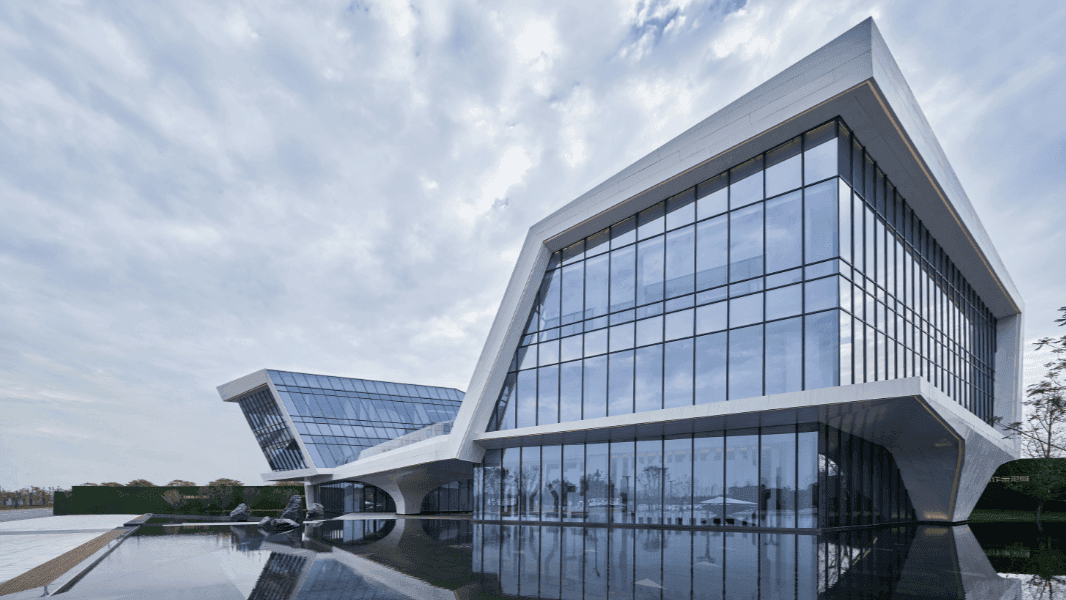
Two sites have just been shortlisted for a future data center. Both have access to a high-capacity power connection, fiber-optic connectivity, comparable accessibility and an almost identical acquisition cost. Technical studies have concluded that both sites are suitable for the project.
In your opinion, which of these two sites represents the better investment?
At this stage, the answer seems impossible. Both sites appear to offer the same technical, economic and regulatory guarantees. Yet one essential piece of information is still missing from the analysis:
How will the climate at each of these sites evolve over the next 40 to 50 years?
Forward-looking climate studies can help answer this question. By combining climate projections, hydrological and hydraulic models, and sector-specific indicators, they make it possible to assess not only the sites as they are today, but above all the conditions under which they will have to operate in the future.
Building a data center is an investment that involves several decades of operation. Decisions made today will continue to have an impact through 2070 and potentially beyond.
Yet site selection criteria still rely primarily on historical data: land availability, power capacity, connectivity, accessibility and regulatory constraints. These criteria are essential, but they describe a location at a given point in time. Forward-looking studies help us understand how a location will evolve as a result of climate change.
Two sites that are equivalent today will not necessarily offer the same level of performance or resilience 40 years from now.
Simulations show that the first site will be more exposed to extreme heat over the coming decades. Heatwaves will become more frequent and last longer, while nighttime temperatures will remain higher. These indicators are not simply climate statistics. They help anticipate very concrete consequences for the operation of the future data center.
As outdoor temperatures rise, cooling systems need to operate for longer periods and at higher intensity to keep equipment within its required operating ranges.
According to the International Energy Agency (IEA), cooling accounts for around 7% of energy consumption in the most efficient hyperscale data centers, but this share can exceed 30% in some enterprise data centers.
A few additional degrees therefore do not simply mean warmer conditions. They can lead to higher energy consumption, different cooling system sizing requirements, increased operating costs and reduced operating margins throughout the infrastructure's lifetime.
At this stage of the analysis, the two sites are already beginning to differ.
Climate projections also highlight changes in extreme rainfall. But understanding how rainfall will evolve is not enough to assess flood risk.
These data are then used as inputs for hydrological models that simulate future river flows, followed by hydraulic models capable of representing water flows, water depths and areas potentially exposed to flooding.
This approach goes far beyond a standard regulatory flood map. The question is no longer simply whether a site could flood. It is about understanding how the site will continue to operate.
Will the electrical substation remain accessible? Could access roads be cut off? Will the critical infrastructure required to ensure service continuity remain operational?
This systemic approach makes it possible to assess the true resilience of a site and, once again, distinguish between locations that initially appeared equivalent.
In our example, neither site is necessarily a poor choice. The first could probably accommodate a data center, but it may require more efficient cooling systems, additional flood protection or different infrastructure sizing to ensure the expected level of availability. The second may naturally provide greater safety margins and potentially require fewer adaptations throughout its operational lifetime.
Without forward-looking climate data, this difference would have remained invisible at the time the investment decision was made.
Forward-looking climate studies do not replace geotechnical studies, hydraulic studies or the technical assessments required to design a data center.
They provide information that has become essential: the site's climate trajectory throughout the entire lifetime of the infrastructure.
Choosing a site is therefore no longer simply about comparing its price, surface area or power connection. It is now about assessing its ability to sustainably maintain the expected level of performance under a changing climate.
In a sector where investments run into hundreds of millions of euros and service continuity is critical, integrating forward-looking climate data from the site selection stage is no longer simply a matter of risk management.
It is a genuine driver of value creation, resilience and investment security.
A data center is an infrastructure designed to operate for several decades. The climate conditions observed today will therefore not necessarily be representative of those the site will face in the future. Climate projections make it possible to anticipate these changes from the site selection stage.
Data centers can be exposed to extreme heat, heatwaves, extreme rainfall, flooding, drought and water scarcity. These changes can affect cooling requirements, energy consumption, site accessibility and service continuity.
Rising outdoor temperatures can increase the cooling requirements needed to keep equipment within its operating ranges. Over the long term, this can affect energy consumption, cooling system sizing and operating costs.
No. A regulatory flood map provides essential information about the known exposure of an area, but it does not necessarily account for how the hazard may evolve in the future. Combining climate projections with hydrological and hydraulic models makes it possible to assess changes in river flows, water flows and water depths under different future climate conditions.
Climate analysis is particularly relevant during the site pre-selection and comparison stages. It makes it possible to identify differences in exposure between potential sites early enough to incorporate any adaptation requirements into investment and design decisions.
The comparison can be based on consistent climate and hydrological indicators applied to each site, including extreme temperatures, heatwave duration, heavy rainfall, drought, river flows and flood exposure. This approach helps identify differences that may remain invisible when an assessment is based solely on current conditions.
They provide a decision-support criterion, but do not replace the technical, geotechnical or regulatory studies required for data center development. They add a forward-looking dimension to the analysis, making it possible to assess a site's ability to maintain the expected level of performance under a changing climate.
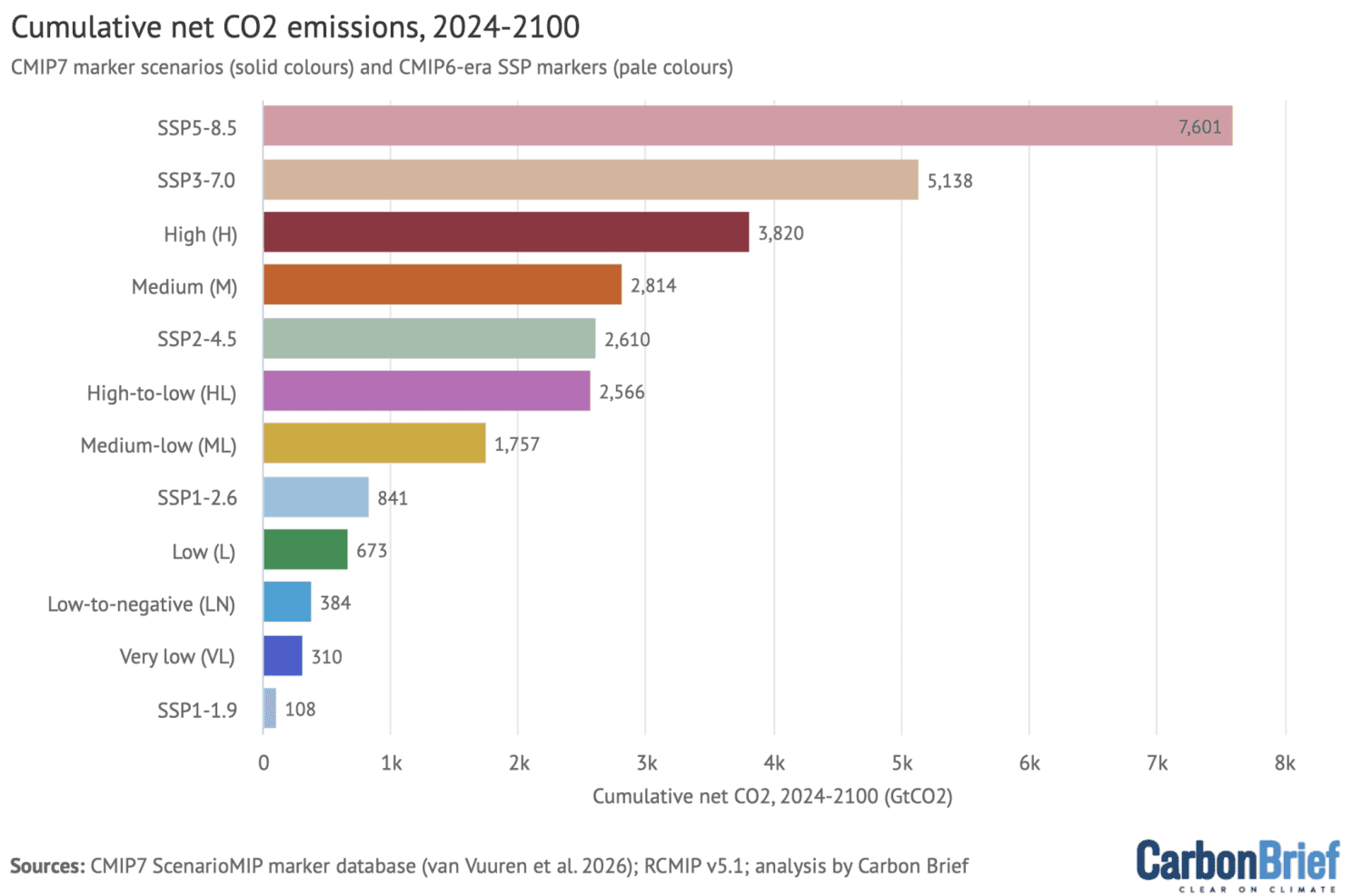
New CMIP7 scenarios: what climate futures can we expect by 2100?
9/21/2026
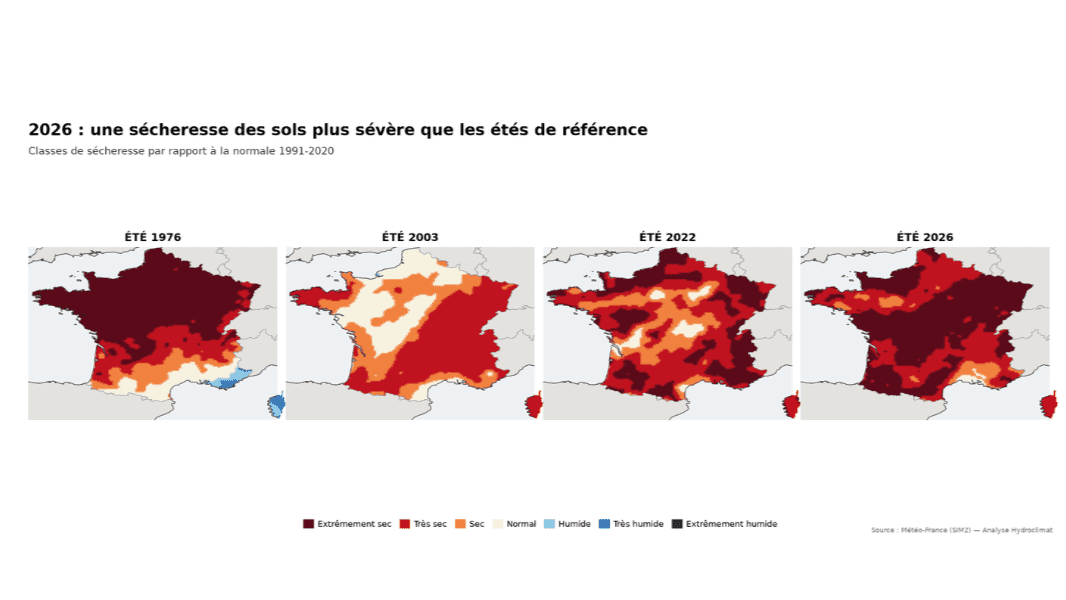
Soil drought: where does summer 2026 really stand?
9/10/2026
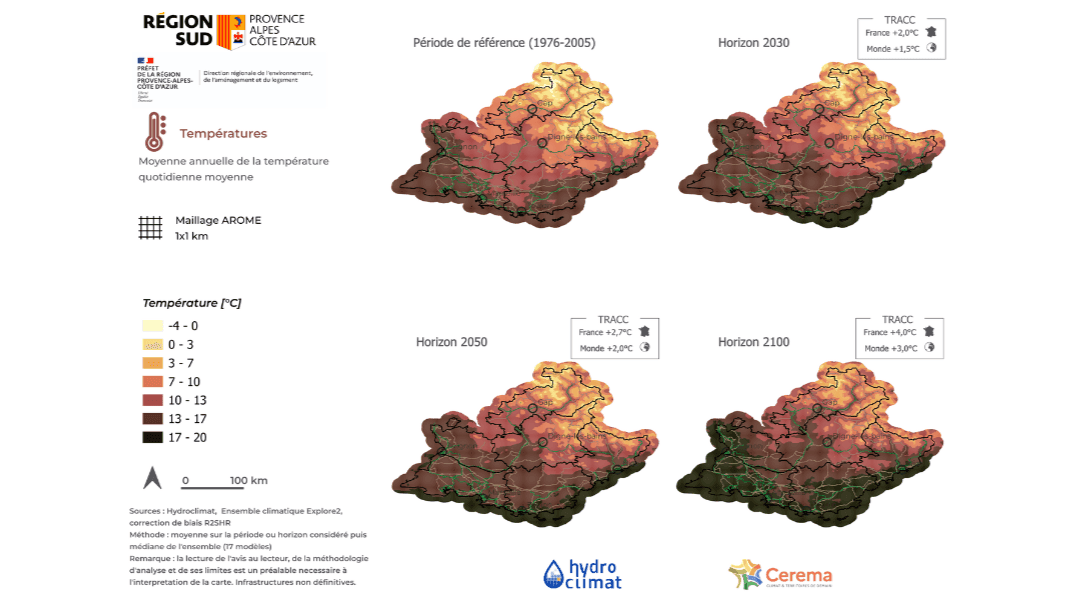
Adapting Regional Transport Networks to Climate Change: From Assessment to Action
9/3/2026
How much will climate risk really cost?
6/29/2026
Global scoring: turning climate data into decision-support indicators
6/22/2026
