Insights and articles on climate science, water risks, and environmental data.
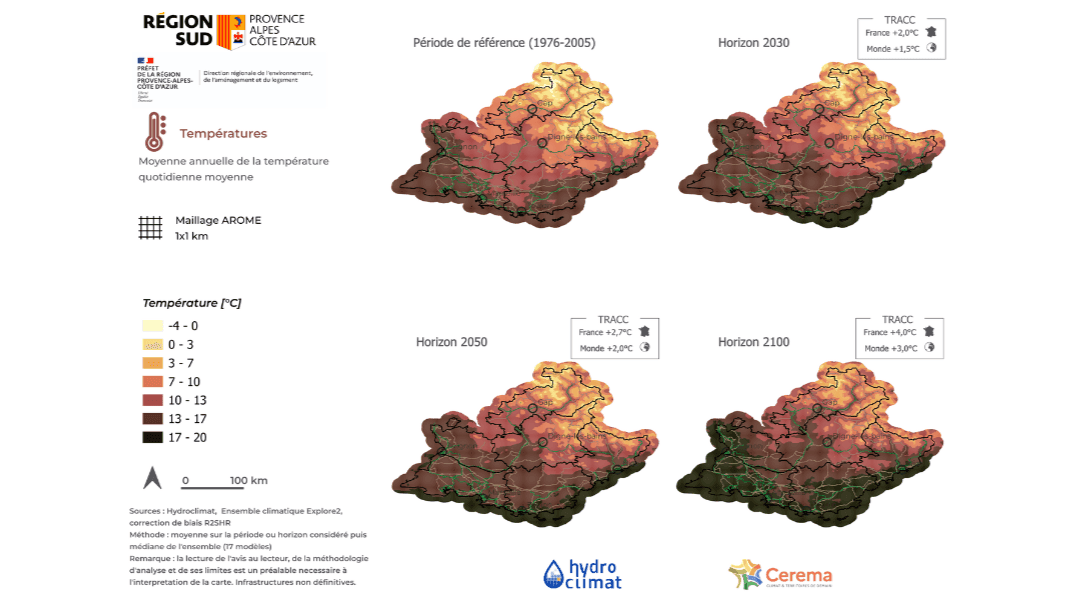
Discover how the Provence-Alpes-Côte d’Azur Region, Cerema, and Hydroclimat are developing climate risk analyses to build more resilient infrastructure.
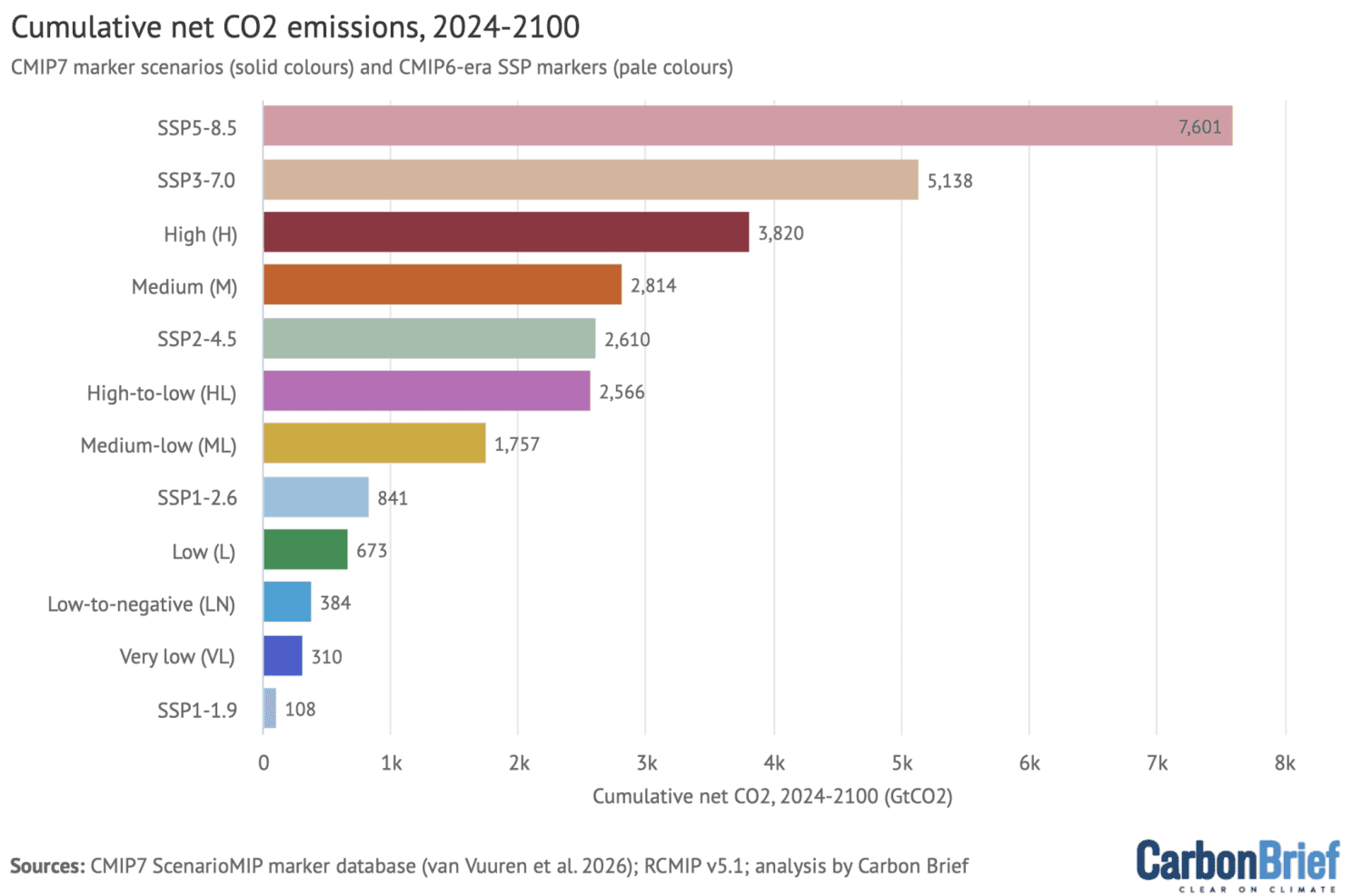
The new CMIP7 scenarios have now been quantified. With median warming ranging from +1.6°C to +3.3°C by 2100, they are reshaping the range of climate futures to be explored. But these new pathways do not mean that climate risk is decreasing.
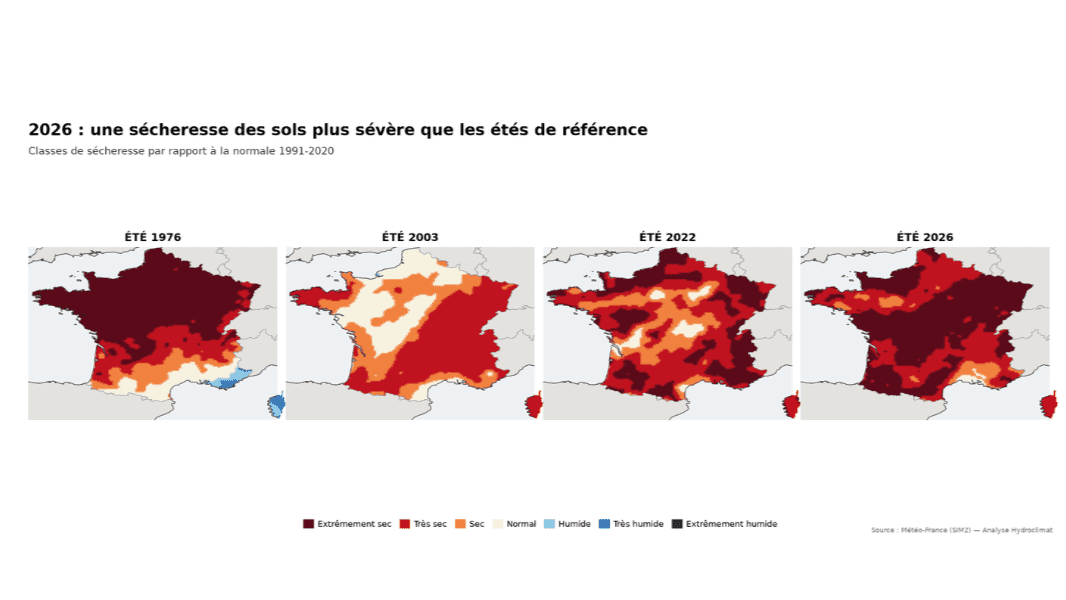
The 2026 meteorological summer has now come to an end, and the available data provide an initial overview of soil conditions across France.
Two sites may have the same technical and economic characteristics today, yet face very different climate conditions in the future. Discover why analysing future climate conditions is becoming a strategic criterion when selecting a site for a data center.
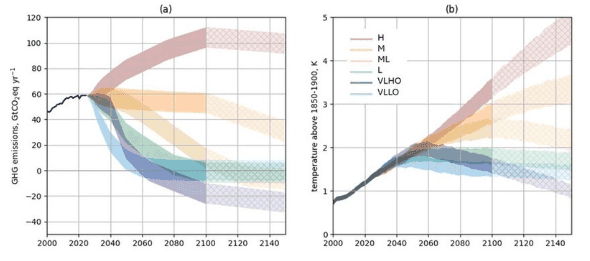
The future of climate scenarios is already being reshaped.
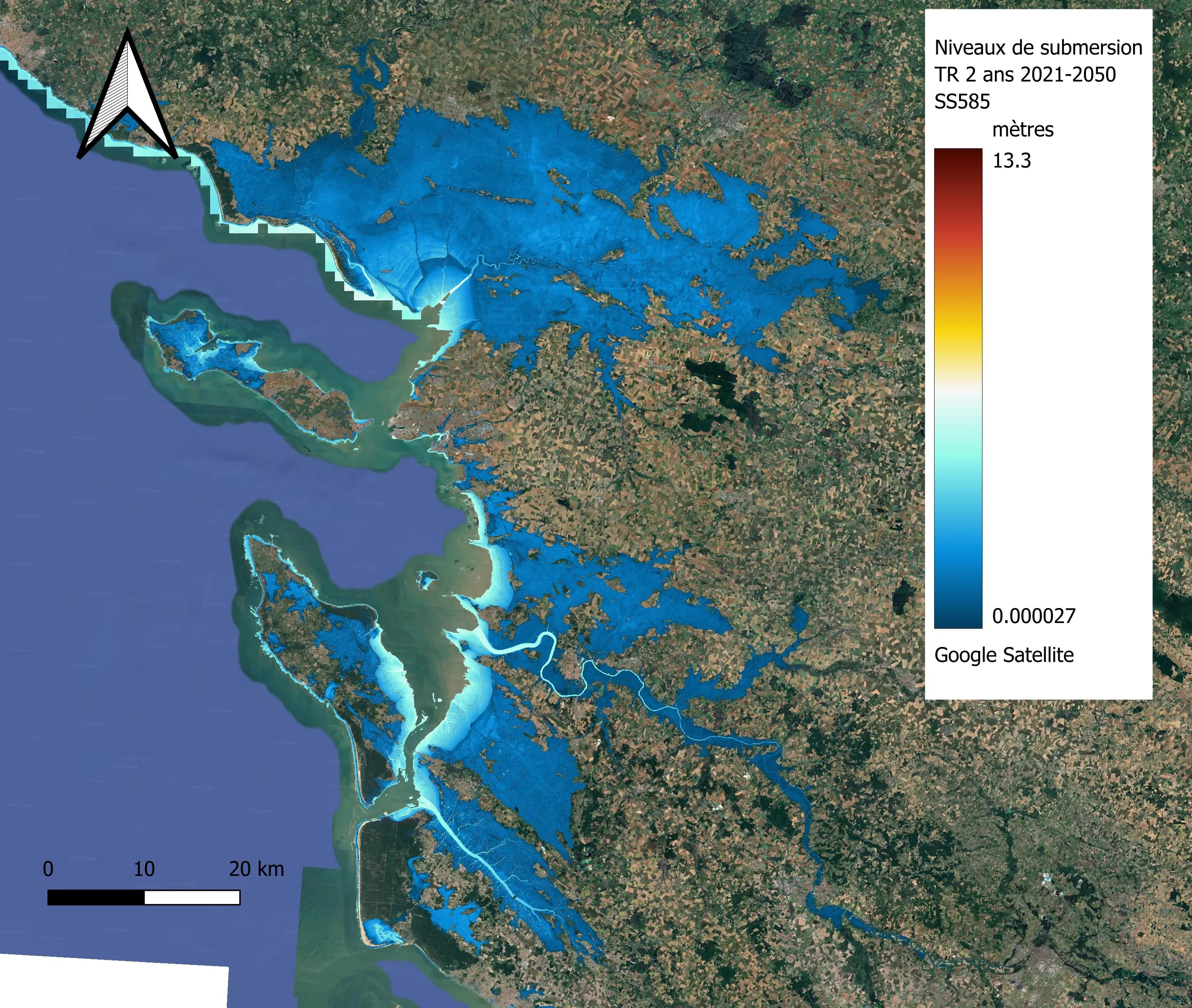
Nearly one in three flood events in France involves coastal areas. Yet the risk of coastal flooding remains largely underrepresented in models.
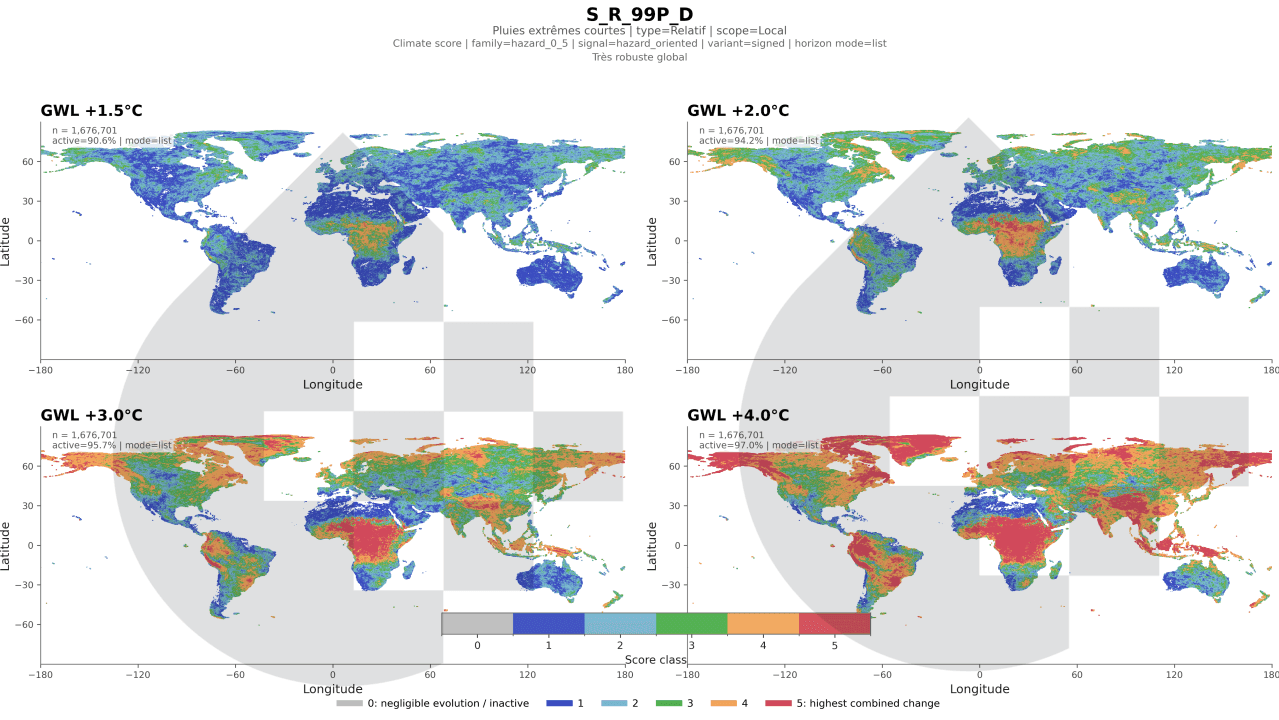
In this article, we present our global scoring methodology, developed to transform complex climate projections into decision-support indicators.
Hydrology is shifting from basin-specific calibration toward scalable and transferable learning-based approaches.
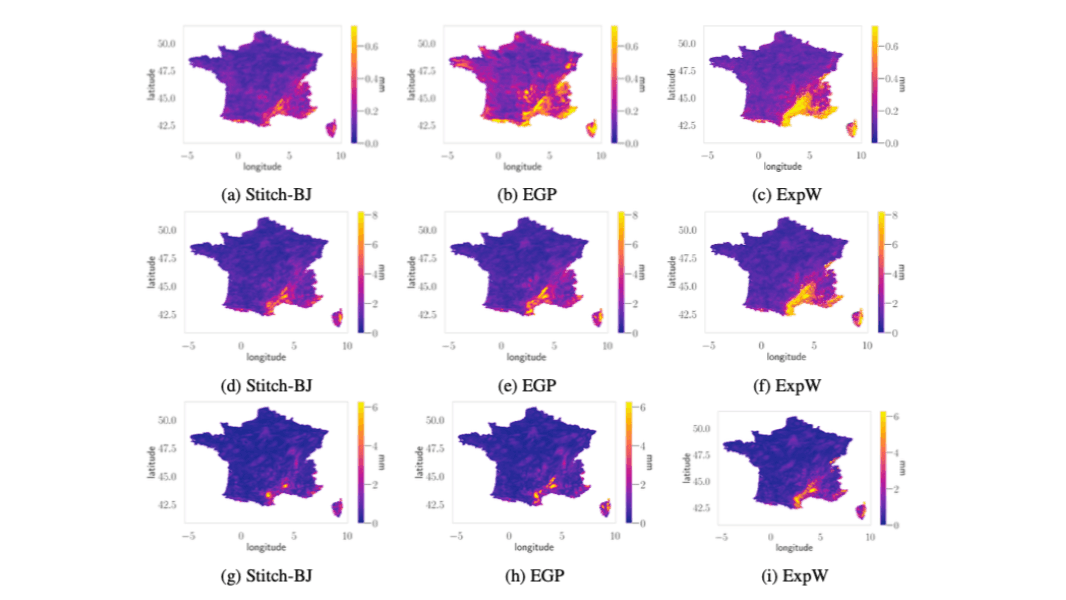
Extreme precipitation is currently systematically underestimated by global climate models.
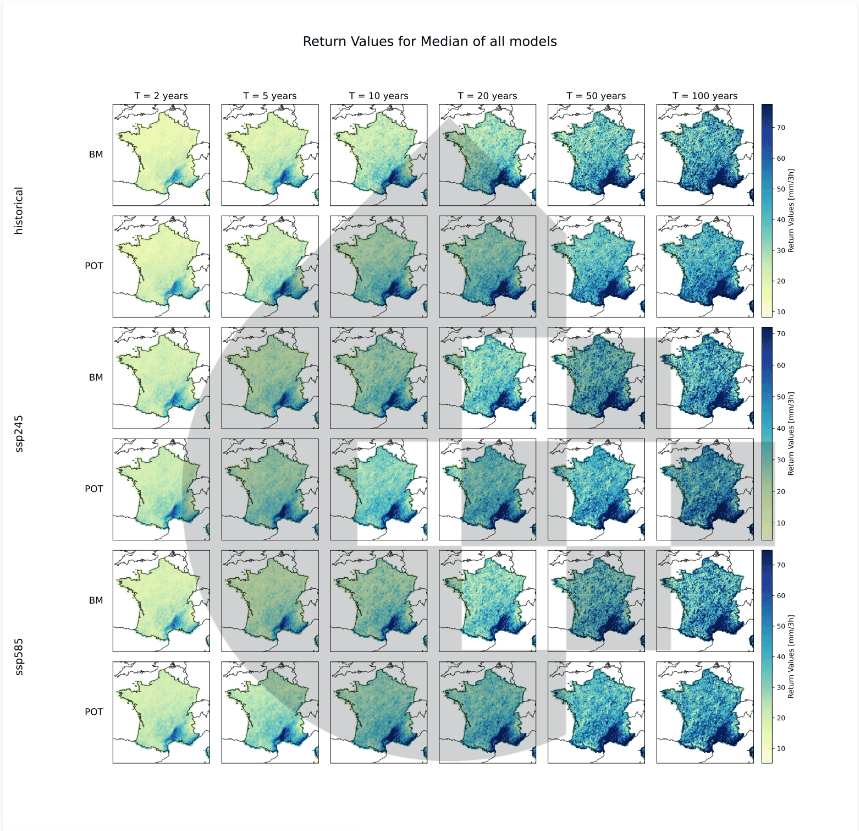
Extreme precipitation plays a crucial role in hydrological modelling, flood risk analysis, infrastructure planning, and climate risk insurance.